





Home / Sunday-mid-day / / Article /
Experts highlight why we need to solve the scarcity of germ-free water
Updated On: 01 February, 2026 07:47 AM IST | Mumbai | Akshita Maheshwari
On one side, Indore went through a water contamination outbreak last month. On the other, premium water brands are sprouting one after the other. There are also a few good Samaritans who are trying to bridge the gap. The business of water is fraught with challenges and ethical questions

Listen to this article :
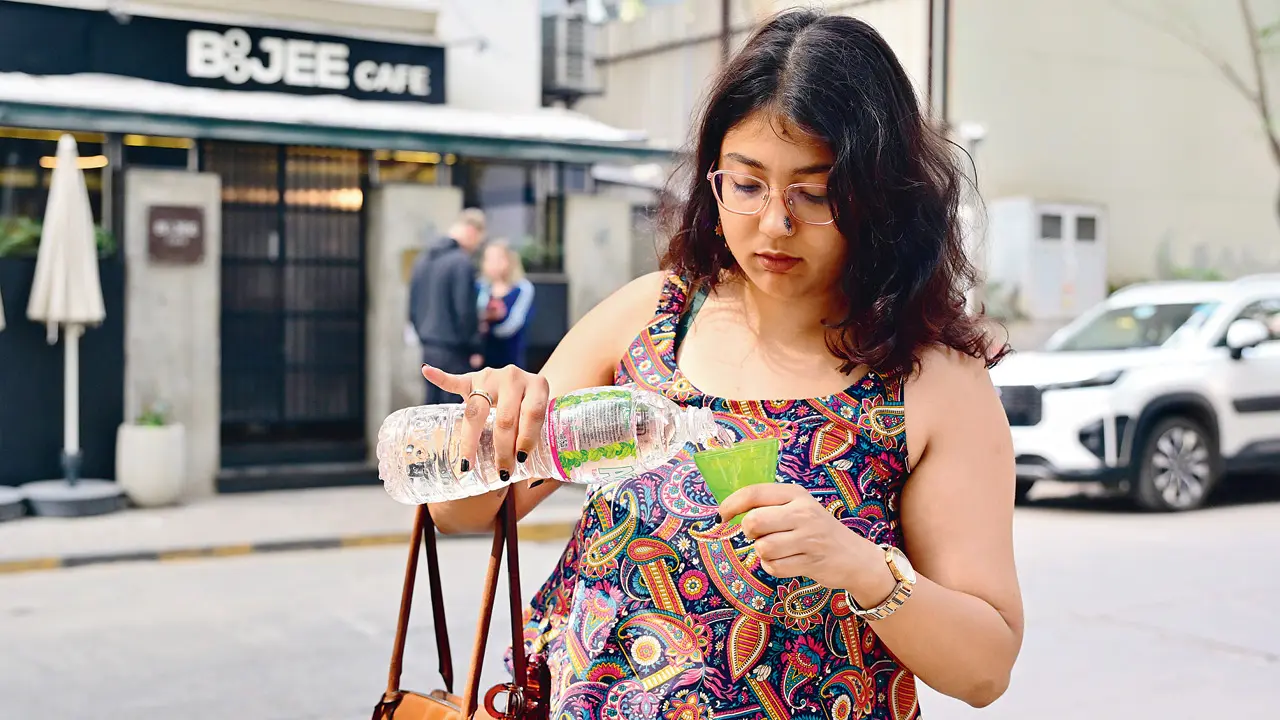
Health conscious consumers move toward natural mineral drinking water, which comes directly from nature, but at a sharp premium. PIC/SHADAB KHAN
The average man should consume about three litres of water a day. Many of us struggle to meet this goal. We buy water trackers, flavoured mixes, bottles that tell us when to drink water, and set up alarms on our phone to remind us to hydrate. Water becomes inexplicably linked with consumerism — buy this, subscribe to that. Though many of us may complain about not reaching our hydration goal, data from the UN says about 2.2 billion people live without access to clean drinking water. Even as we enter an era of “water bankruptcy”, premium waters in the market may just make you bankrupt. Water is — and has always been — a business. But when a basic human need is turned into a profit-making commodity, an uncomfortable question emerges: in a world where chronic scarcity and luxury water co-exist, who gets to stay hydrated and at what cost?

Avanti Mehta is a water sommelier at Aava water, where she conducts tastings to break down the complex flavours of natural mineral water
Trending Stories
Latest Photos
Latest Videos
Latest Web Stories
ADVERTISEMENT
Mid-Day Fast
ADVERTISEMENT

ADVERTISEMENT