Home / News / World News / Photos /
In Photos: French PM Michel Barnier`s government loses confidence vote
Updated On: 05 December, 2024 11:11 AM IST | ronak mastakar
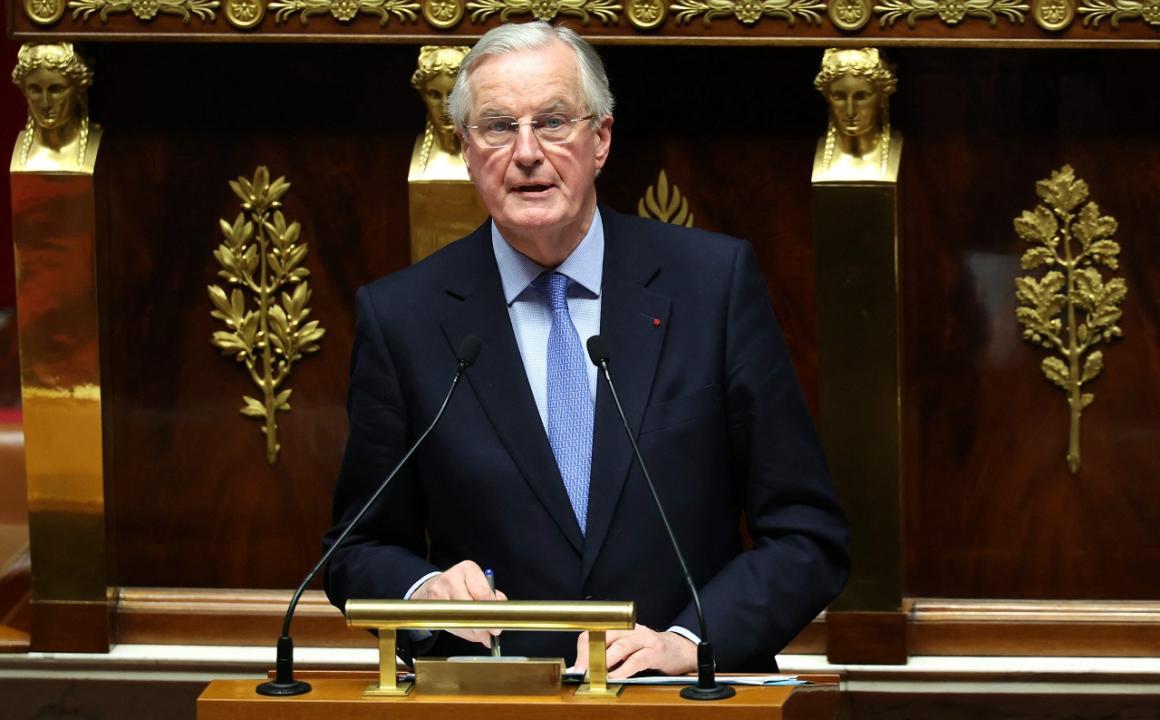
French Prime Minister Michel Barnier`s government has been defeated in a confidence vote in the French National Assembly, intensifying a political crisis and raising concerns about the country`s budget for the coming year. (Pics/AFP)

1/10
French Prime Minister Michel Barnier`s government has been defeated in a confidence vote in the French National Assembly, intensifying a political crisis and raising concerns about the country`s budget for the coming year. (Pics/AFP)

2/10
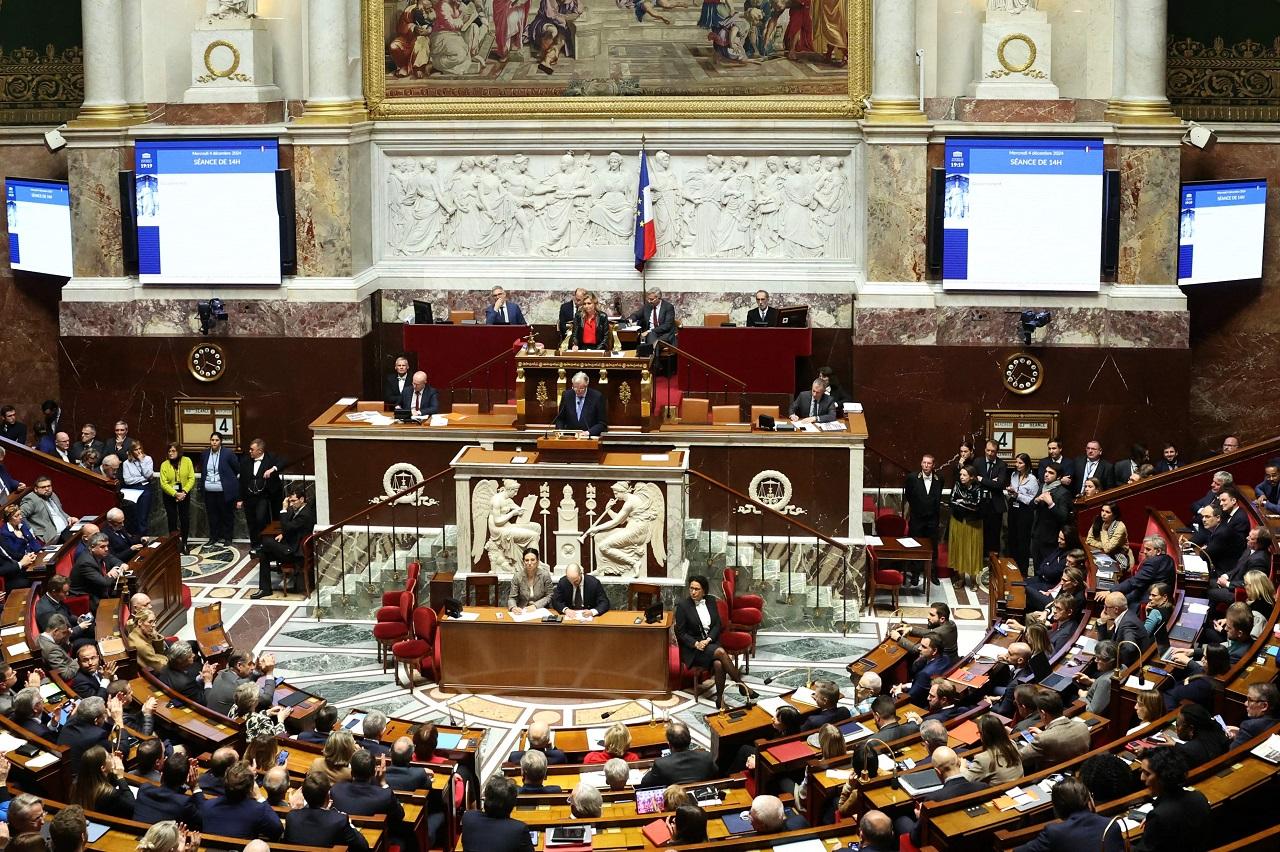
Earlier today, the 331 members of the 577-seat lower house of the French parliament voted to remove Barnier`s centrist minority government, throwing the country into political instability as it faces a growing budget deficit
ADVERTISEMENT
3/10
The vote was triggered by far-left and far-right opposition parties after Barnier used special powers to push through budget measures without parliamentary approval

4/10
Barnier`s government became the first in more than six decades to be toppled by a no-confidence vote, and he is expected to offer his resignation and that of his government to French President Emmanuel Macron
ADVERTISEMENT
5/10
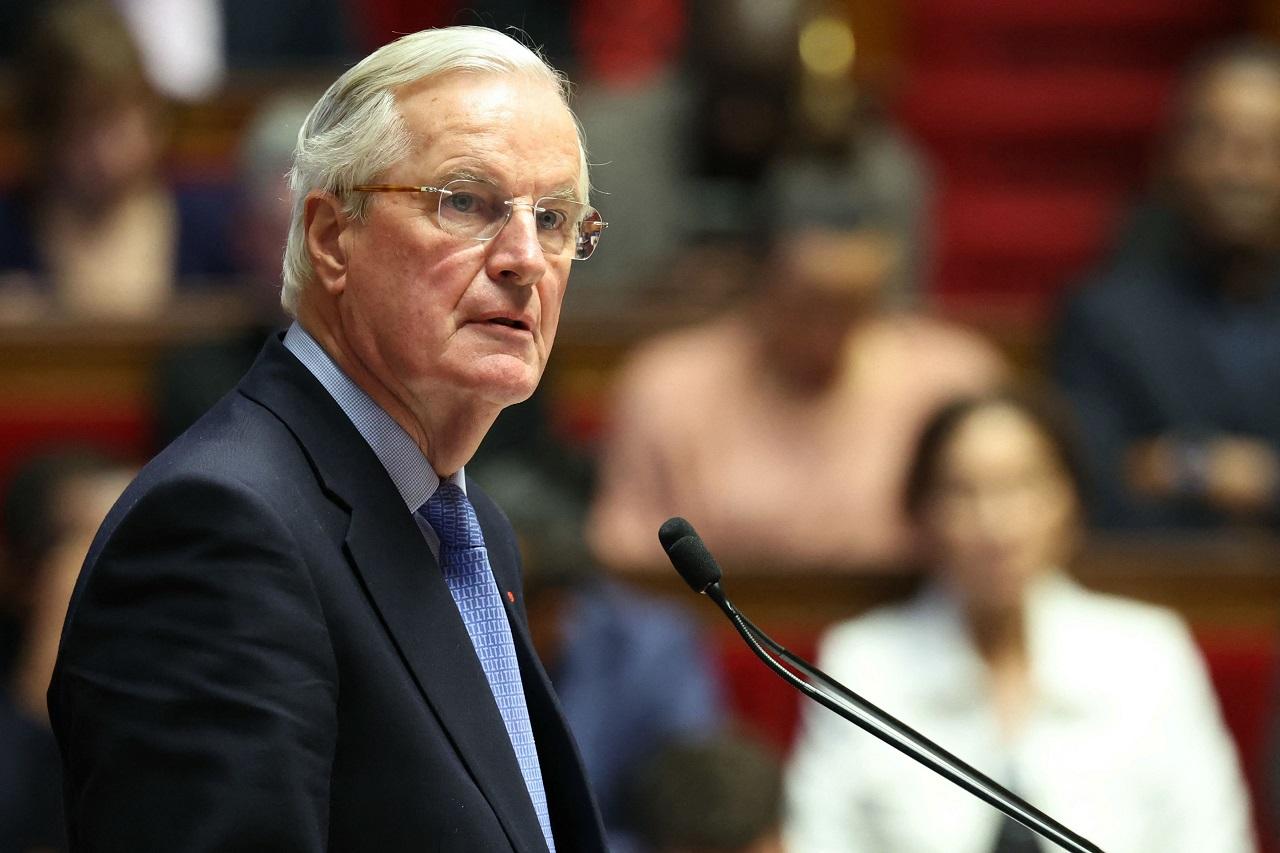
Barnier became the shortest-serving prime minister in the history of the French Fifth Republic after the left-wing New Popular Front (NFP) alliance and the far-right National Rally (RN) party united to remove him during the no-confidence vote

6/10
At 73 years old, Barnier served only 91 days as prime minister, while his government, consisting of centrist and right-wing ministers, lasted just 74 days
ADVERTISEMENT

7/10
Barnier`s government became a target of two no-confidence votes after it used Article 49.3 of the French constitution to bypass a parliamentary vote and push through a social security budget bill. The social security budget bill has now been rejected
8/10
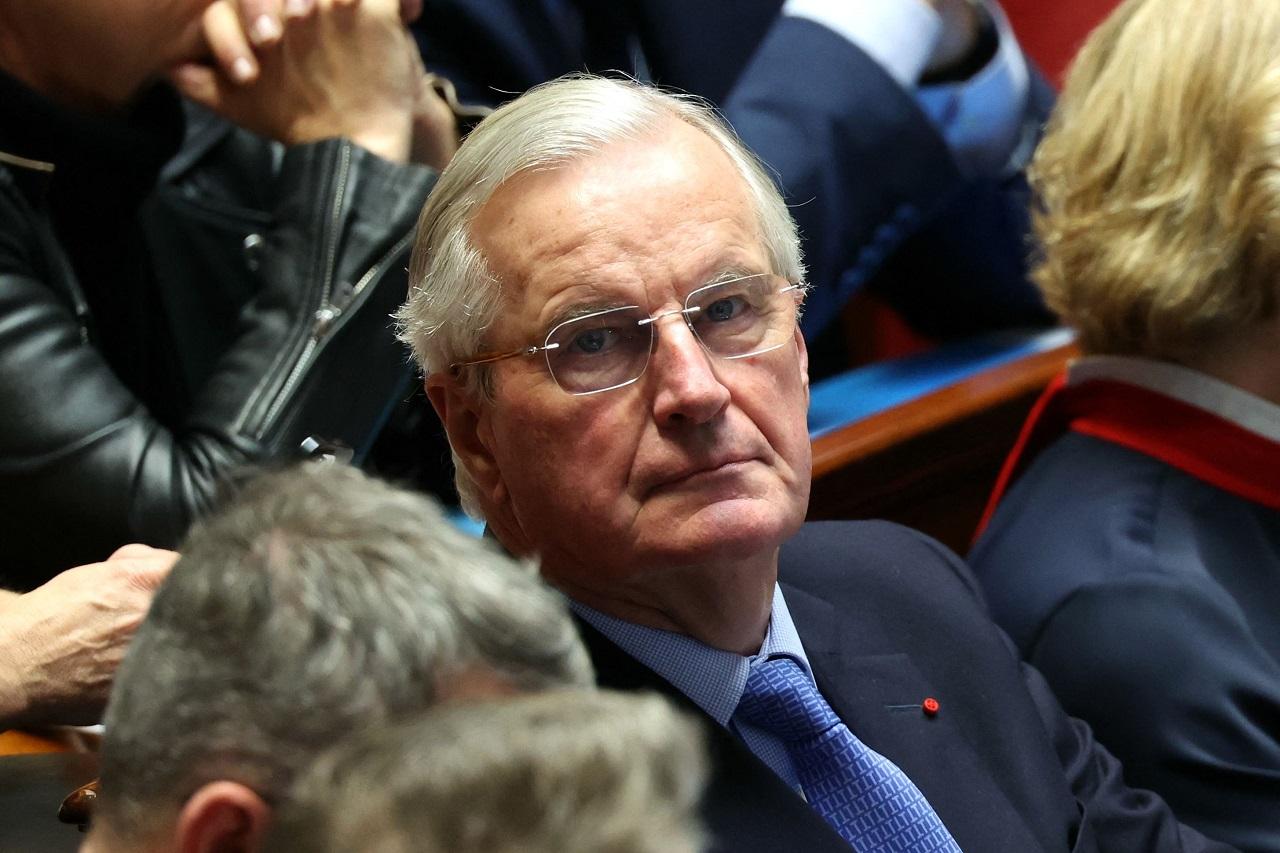
Barnier led a fragile minority government composed of President Macron`s centrist party and the right-wing Les Republicains (LR), but the alliance was informal and lacked an absolute majority
ADVERTISEMENT

9/10
The RN, with 124 seats in the National Assembly, held significant influence in the political landscape

10/10
Under the current constitution, Macron cannot call fresh legislative elections until next July, meaning any new government would need to involve multiple parties
ADVERTISEMENT
ADVERTISEMENT
Photo of Day
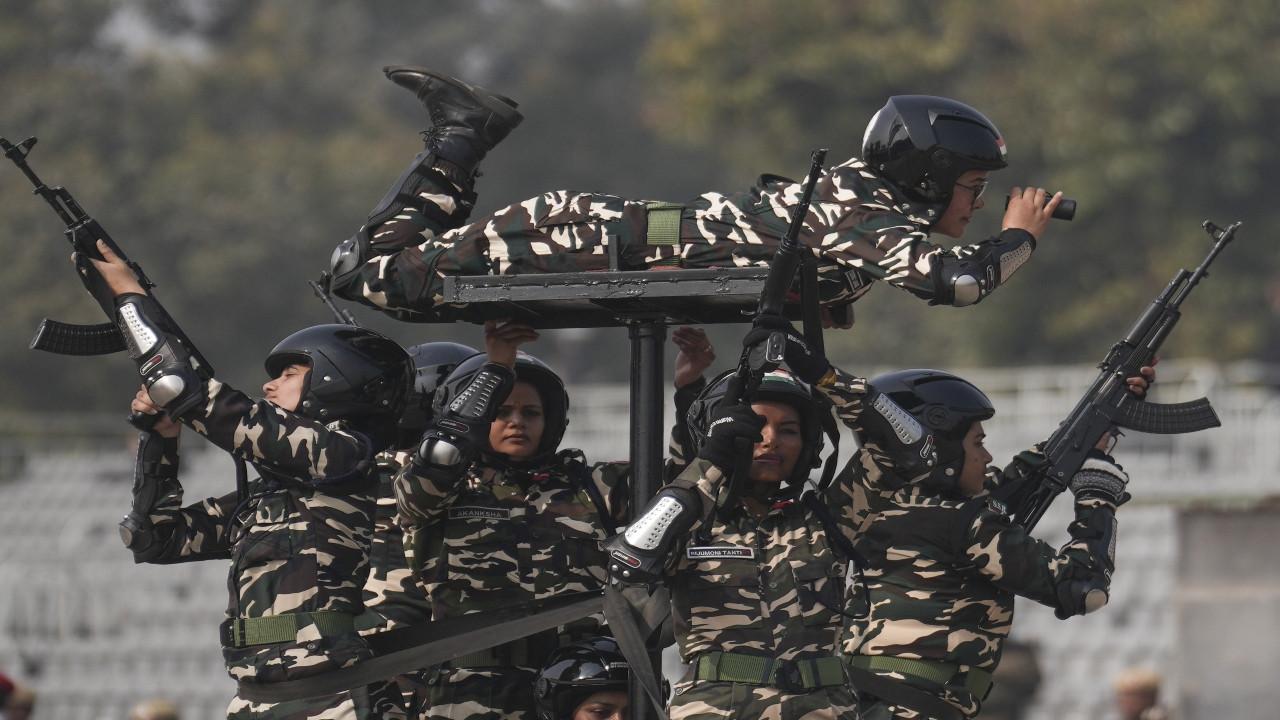
Breaking barriers and building pyramids — Women power in action!
Sashastra Seema Bal’s (SSB) Daredevils team performs during rehearsals for the Republic Day Parade, in New Delhi. PIC/PTI
ADVERTISEMENT