





‘Writing’ wrongs in mental health care
Updated On: 13 October, 2024 06:52 AM IST | Mumbai | Sumedha Raikar Mhatre
Dr Meenu Anand’s resource book redefines mental health care by blending theory with lived experiences of counsellors, social workers, academics and caregivers

Listen to this article :
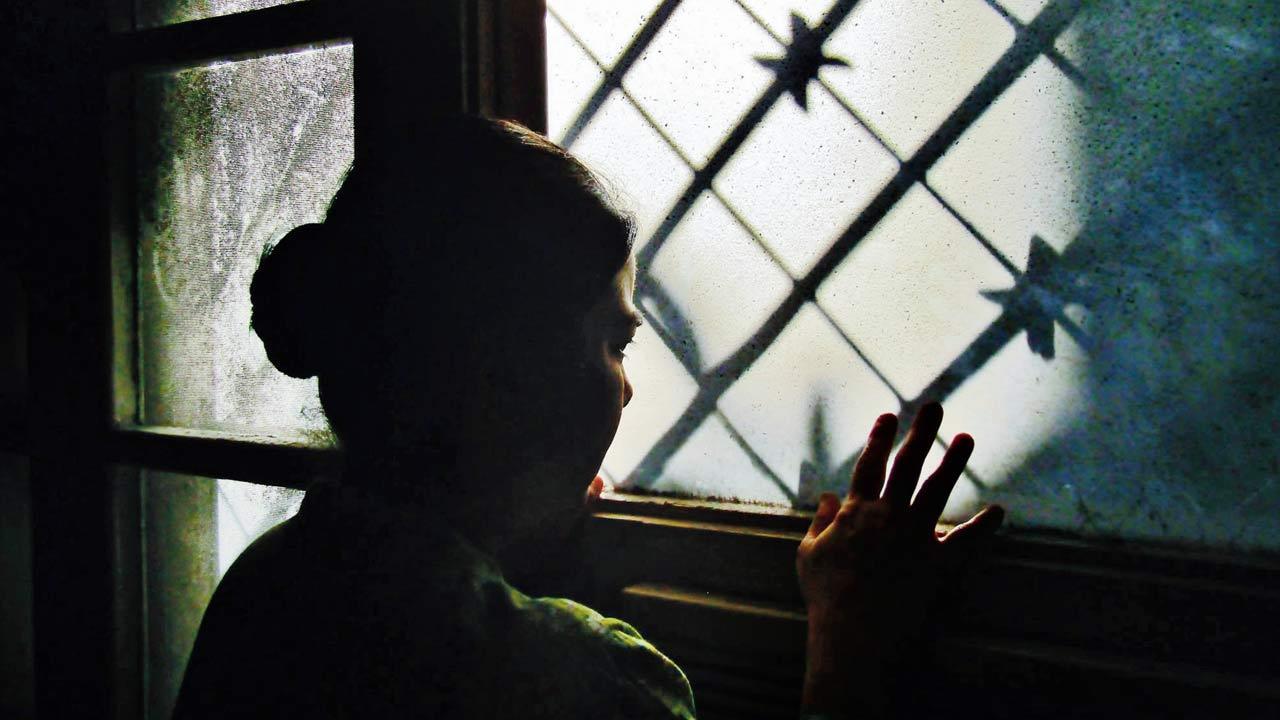
Women are about 50 per cent more likely to suffer from depressive and anxiety disorders than men. Pic for representation
 Why is mental health treated as a binary state, as if one is either mentally healthy or mentally ill? Why is mental health described in terms of mere symptoms/names of disorders, while it actually encompasses “thriving, flourishing, handling relationships, managing stress, feelings of well-being and gratification”? Even after the discourse on mental health has taken centerstage, in a somewhat decorative way in the post-pandemic world, why is it talked about in a limited way, asks Dr Meenu Anand, the author-editor of the just-released Mental Health Care Resource Book/Concepts and Praxis for Social Workers and Mental Health Professionals (Springer publication). Her resource book, (to which she devoted seven years) is a marriage of grassroots voices, theoretical perspectives, practice skills, as well as emancipatory praxis. It highlights the broader social context of mental health care while questioning the hegemony of a psychiatric diagnosis.
Dr Anand is an associate professor at the Delhi University’s department of social work.
Read Next Story
Trending Stories
Latest Photos
Latest Videos
Latest Web Stories
ADVERTISEMENT
Mid-Day Fast
ADVERTISEMENT

ADVERTISEMENT