





New COVID variants, waning immunity, and global complacency fuel fresh surge
Updated On: 06 June, 2025 07:35 AM IST | Mumbai | Dr Subhash Hira
Relaxation of mask mandates, social distancing norms, and unrestricted travel can contribute to increased transmission; the importance of sustained health research and adherence to the International Health Regulations (IHR) of the WHO cannot be overstated

Listen to this article :
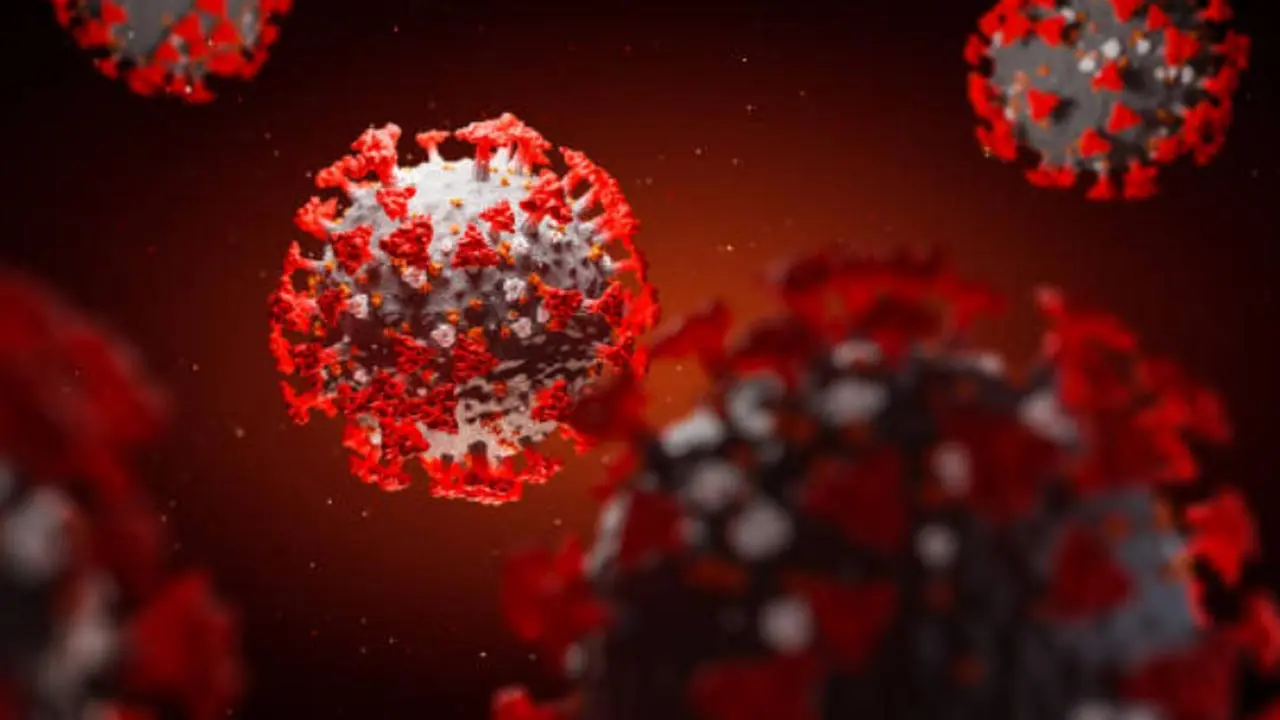
Representational Image. Pic Courtesy/iStock
 Maharashtra reported 86 new COVID-19 cases on Tuesday, bringing the total number of infections since January 1 to 959, according to the state health department. Nationally, India recorded nearly 300 new cases in the past 24 hours, with Kerala and Maharashtra leading in new infections. The Union Health Ministry currently reports 4302 active cases across the country.
Globally, the situation is also escalating. Although the World Health Organisation (WHO) is no longer tracking worldwide daily case counts, countries like Thailand and Singapore have reported alarming spikes — 47,000 and 54,000 cases, respectively. Meanwhile, the United States and China are no longer reporting figures to the WHO, though anecdotal reports suggest rising case numbers in both countries.
The ongoing surge has been attributed to four major SARS-CoV-2 variants: LF.7, XFG, JN.1, and NB.1.8.1. These sublineages emerged from mutations at critical sites of the virus’s spike protein — specifically at amino acid positions 484, 501, 417, and 452, and near the furin cleavage site — which have altered the virus’s behavior, increasing transmissibility and enabling immune evasion.
Read Next Story
Trending Stories
Latest Photos
Latest Videos
Latest Web Stories
ADVERTISEMENT
Mid-Day Fast
ADVERTISEMENT

ADVERTISEMENT