Neither mythological fiction nor history
Updated On: 12 December, 2021 07:29 AM IST | Mumbai | Devdutt Pattanaik
While mythological fiction is only about the story, mythology is also about the rituals and symbols. So in mythology, you are drawn to a myriad subjects like lunar and solar calendars





Illustration/Devdutt Pattanaik
 People often confuse mythology with mythological fiction. Mythology decodes ancient stories, symbols and rituals to understand how our ancestors imagined the world. How does Ramayana and Mahabharata fit into Hinduism’s dharma framework? Mythological fiction is retelling or even reimagining ancient stories, often functioning as a lawyer, advocating for one character over the other, or creating new ones to make sense of old ones. Some mythological fiction writers convince readers they are historians. They tell you what really happened in Ramayana and Mahabharata? Who was the actual hero or villain? One can say mythological fiction writers are like chefs who prepare ‘authentic’ Mughal or Chinese cuisine in a Mumbai restaurant, while mythologists are like food historians, food bloggers, maybe even nutritionists and dieticians.
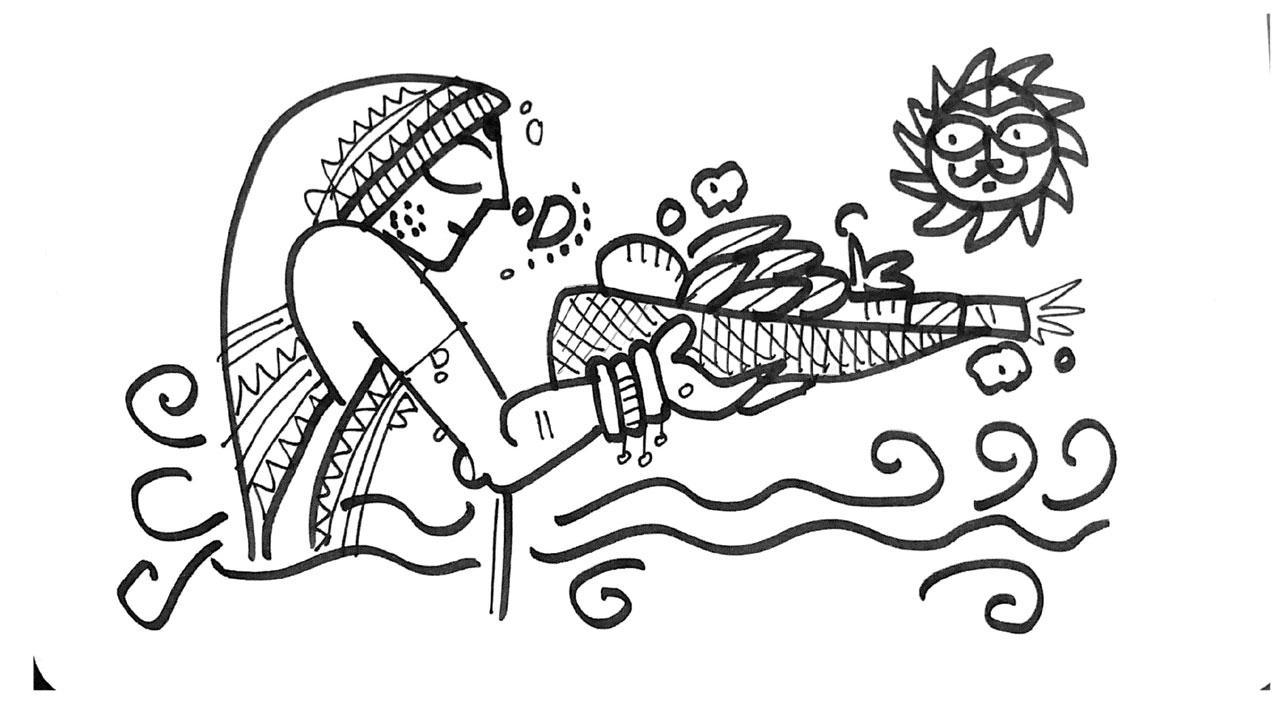
While mythological fiction is only about the story, mythology is also about the rituals and symbols. So in mythology, you are drawn to a myriad subjects like lunar and solar calendars. Why are some festivals like Ganesh ‘chaturthi’ or Gokul ‘ashtami’ linked to phases of the moon, while festivals like Vishwakarma Puja (Sept 17), Makar Sankrati (January 14), Vaisakhi (April 15) based on the solar calendar? Mythological fiction is not so much interested in botany: why tulsi is offered to Krishna, bilva to Shiva, neem to the Goddess, durva grass to Ganesha. Is it because they may be medicinal or is it symbolic, like the baskets of food offered by women in Bihar during Chatt puja?
Trending Stories
Latest Photos
Latest Videos
Latest Web Stories
ADVERTISEMENT
Mid-Day Fast
ADVERTISEMENT