Homebound is Sholay 2.0
Updated On: 01 June, 2025 09:26 AM IST | Mumbai | Meenakshi Shedde
Neeraj Ghaywan’s Homebound is a powerful, deeply moving film headlined by hot young Bollywood stars, Ishaan Khatter, Vishal Jethwa and Janhvi Kapoor. An ode to friendship, it also offers a sharp commentary on the discrimination against ‘low’ castes and minorities



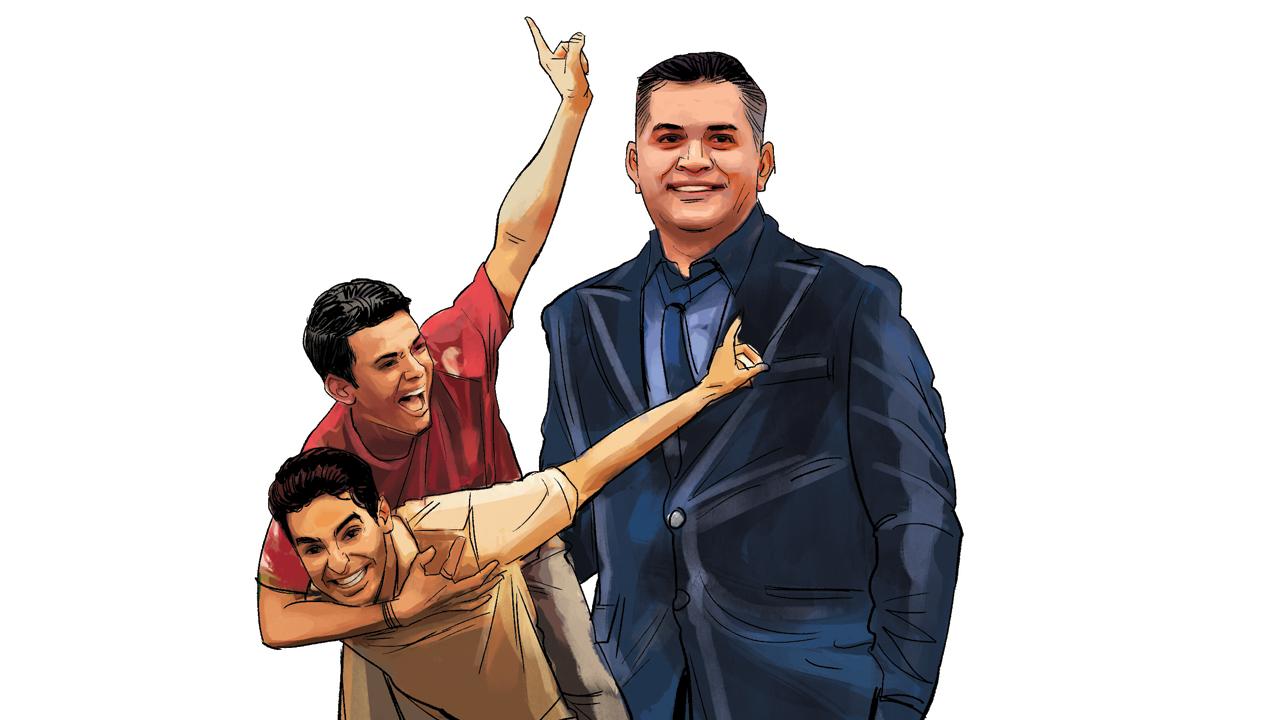
Illustration/Uday Mohite
 Neeraj Ghaywan’s Homebound is a powerful, deeply moving film headlined by hot young Bollywood stars, Ishaan Khatter, Vishal Jethwa and Janhvi Kapoor. An ode to friendship, it also offers sharp socio-political commentary on the horrific discrimination against “low” castes and minorities, rampant in the nation. The film, which was in the Cannes Film Festival’s Un Certain Regard, is Ghaywan’s second feature in the section, after Masaan premiered there in 2015, 10 years ago. Homebound is produced by Dharma Productions’ Karan Johar, Adar Poonawalla, Apoorva Mehta and Somen Mishra. Amazingly, Martin Scorsese is Executive Producer (!) along with Pravin Khairnar, with co-producers Melita Toscan du Plantier and Marijke deSouza.
Homebound is a Sholay 2.0 for the 2025 decade, 50 years after the original. While Homebound’s narrative is of a popular buddy film, centering on the friendship between Mohammed Shoaib Ali (Ishaan Khatter) and Chandan Kumar (Vishal Jethwa) in a small North Indian town, the film, in fact, plays out at the bristling intersection of caste, class, religion and gender. There are neither rousing buddy bike songs nor villain’s dialoguebaazi. Instead, the friendship of the young male leads — Shoaib is a Muslim and Chandan is a low caste Hindu — is tested, and fortified, by the deep discrimination they both face, as much by upper castes and the Hindu majority, as by the system. The sharply written screenplay sees them battle many issues--poverty, unemployment and discrimination. They struggle to get police jobs to support their desperately poor families, instead of going to college; they struggle to survive the COVID pandemic lockdown; Chandan struggles to hold on to his love, Sudha Bharti (also lower caste Hindu, Janhvi Kapoor).
Ghaywan always keeps the screenplay deeply personal, so we care for the characters. He holds up an unflinching mirror to what it means to be a “low” caste person or a minority/Muslim in India today: the insidious, everyday humiliations, as well as denial of the big opportunities in life. So Chandan, though “low” caste, never wants to apply on the reserved quota categories for “low” castes, because “I’m scared that even if I get to be a police officer, I’ll still be forced to clean toilets.”
Trending Stories
Latest Photos
Latest Videos
Latest Web Stories
ADVERTISEMENT
Mid-Day Fast
ADVERTISEMENT

ADVERTISEMENT