





A tale of two cafes
Updated On: 09 June, 2025 07:23 AM IST | Mumbai | Fiona Fernandez
City regulars believe that Kala Ghoda Cafe is “a vibe”. But so was the shuttered Cafe Samovar. Bombaywallahs swear by both spaces, and so we must ask — can a cafe represent a city?

Listen to this article :
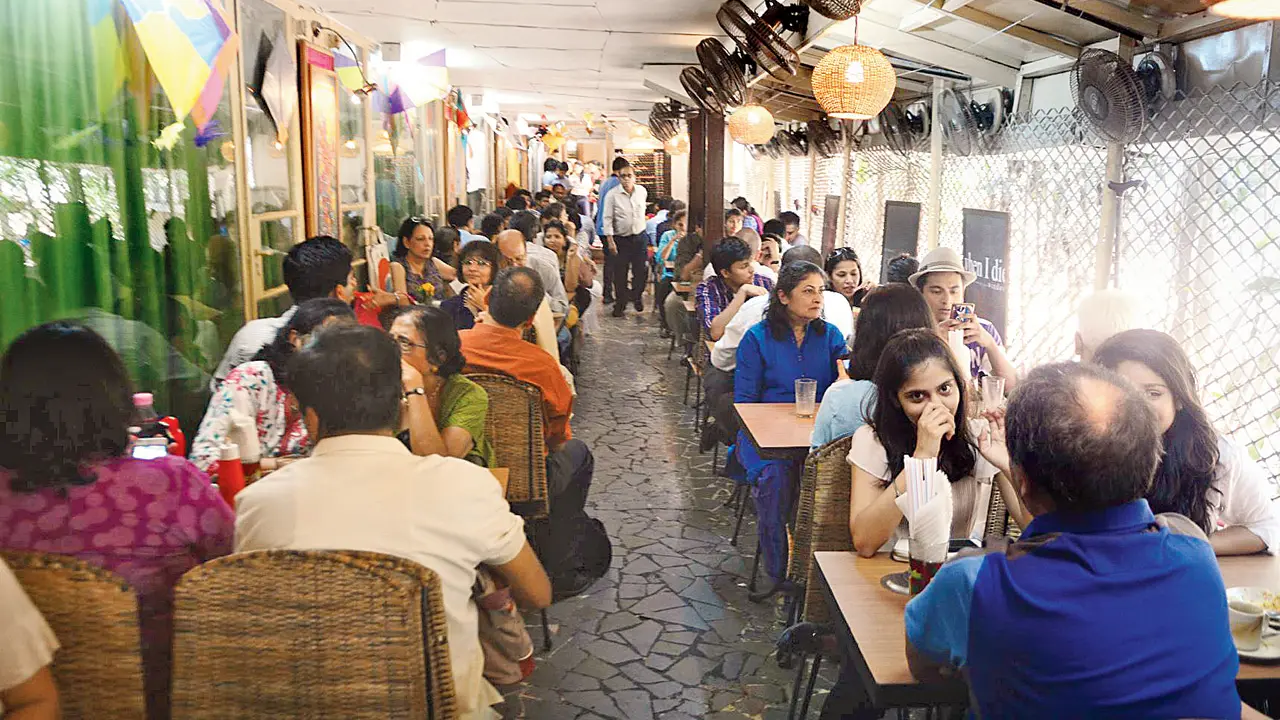
Cafe Samovar. File pic
 I am tempted to visualise the vocal arguments and possibly, even fisticuffs that could emerge among fans of either cafe as they read the headline and strap of this column; as each side pitches a laundry list of why their cafe is cooler. The neutrals will smile that both are quintessentially Bombay, and Mumbai, and maybe, get a shade nostalgic that ‘Sams’ [Cafe Samovar, for its regulars] isn’t around.
Truth is the former was a cultural landmark; an adda for the city’s theatre, arts, textiles-loving community, where its snack-heavy, VFM menu did a fantastic job of feeding loyal patrons. The latter, at least going by the diverse crowds it attracts, has already graduated to become a certified hangout for Bombaywallahs; tourists also prefer to do a dekko while in the city. Its F&B menu is a standout, and a game-changer, with its smart mix of casual dining-meets-cafe and wine bar favourites.
We aren’t taking sides here–the intent is to not draw parallels but to put a thought into perspective — Can a cafe represent a city? Can it become the ‘it’ place where its citizens relate to as their comfort zone; a place that lives and breathes it in spirit?
Read Next Story
Trending Stories
Latest Photos
Latest Videos
Latest Web Stories
ADVERTISEMENT
Mid-Day Fast
ADVERTISEMENT

ADVERTISEMENT