





Home / News / India News / Article /
India's tiger population thrives with a 30 percent increase in occupancy
Updated On: 01 February, 2025 12:42 PM IST | Mumbai | A Correspondent
A new study highlights India’s success in tiger conservation, showing a 30% increase in tiger occupancy over the past two decades. The study reveals how strategic land management, socio-economic development, and political stability have contributed to a robust tiger population, offering hope for other biodiversity conservation efforts globally.

Listen to this article :
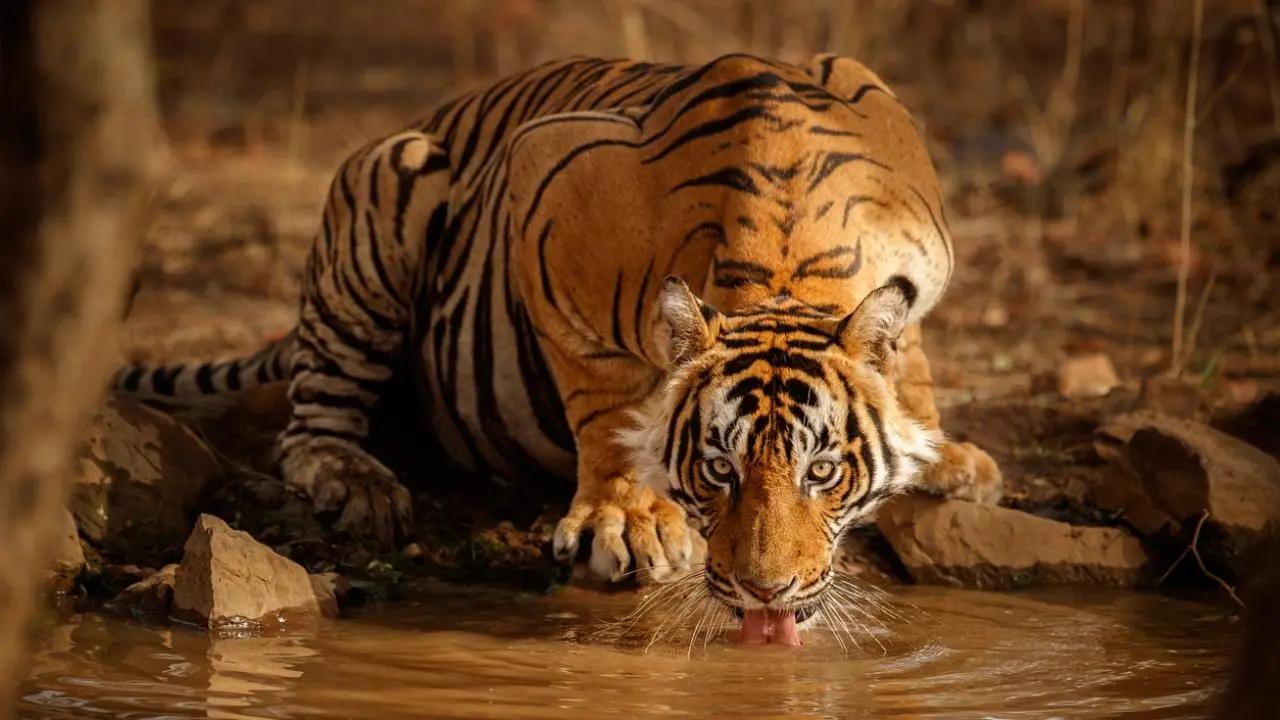
File Pic
What can be termed as a positive news for the ongoing conservation efforts for the Royal Bengal Tiger in India, a study published in a scientific journal highlights that the tiger occupancy increased by 30% (at 2929 square kilometers per year) over the past two decades, leading to the largest global population occupying approximately 138,200 square kilometers.
The study named 'Tiger recovery amid people and poverty' was published in a scientific journal Science . The lead author of the study is Yadvendra V. Jhala, Ninad Avinash Mungi, Rajesh Gopal and Qamar Qureshi.
Read Next Story
Trending Stories
Latest Photos
Latest Videos
Latest Web Stories
ADVERTISEMENT
Mid-Day Fast
ADVERTISEMENT

ADVERTISEMENT