





Home / News / India News / Article /
Study links climate change with rising arsenic levels in rice
Updated On: 18 April, 2025 06:14 PM IST | New Delhi | PTI
Researchers from Columbia University, US, explained that an increase in temperatures above 2 degrees Celsius and rising levels of carbon dioxide could be causing changes in soil chemistry, favouring arsenic, which gets more easily absorbed into rice grains

Listen to this article :
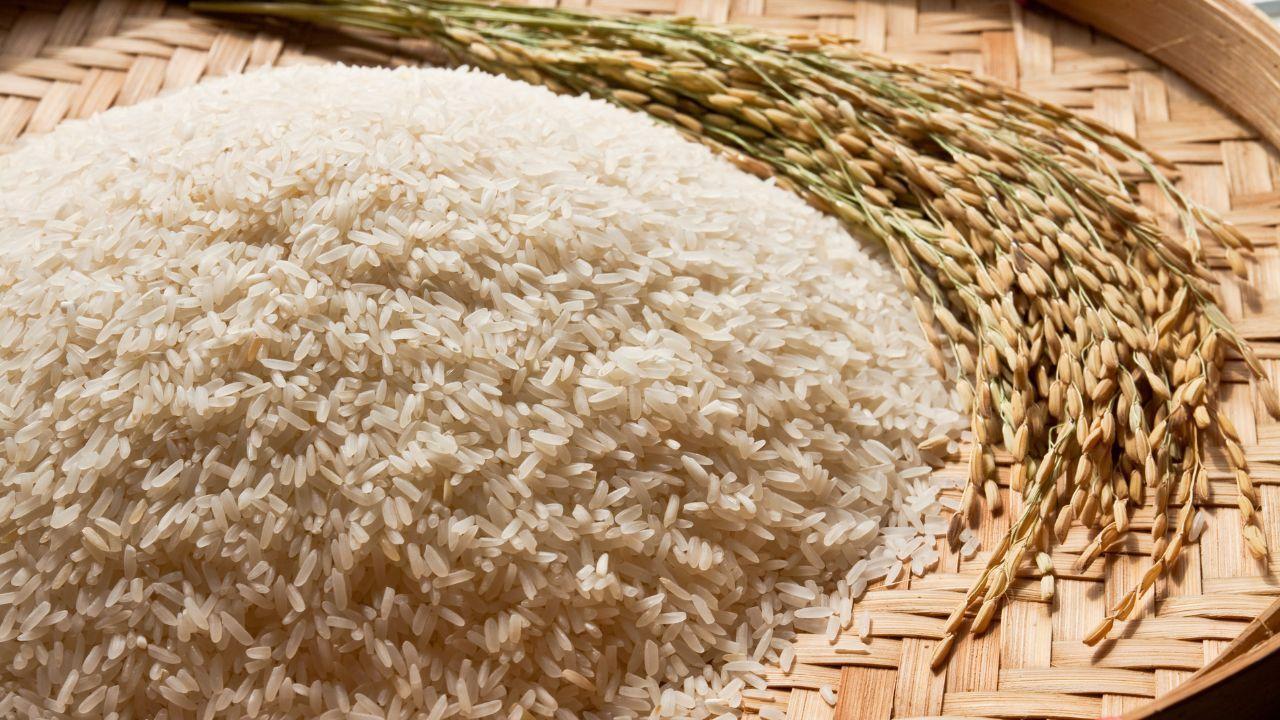
Studies have revealed rice consumption to be a major health threat to people in South and Southeast Asian countries. Representational Image
Climate change could result in higher levels of arsenic in rice, potentially increasing lifetime cancer and health risks for people in Asian countries by 2050, according to a new study published in The Lancet Planetary Health journal.
Researchers from Columbia University, US, explained that an increase in temperatures above 2 degrees Celsius and rising levels of carbon dioxide could be causing changes in soil chemistry, favouring arsenic, which gets more easily absorbed into a rice grain.
Read Next Story
Trending Stories
Latest Photos
Latest Videos
Latest Web Stories
ADVERTISEMENT
Mid-Day Fast
ADVERTISEMENT

ADVERTISEMENT