Home / Mumbai / Mumbai News / Photos /
IN PHOTOS: Peak-hour chaos returns to Mumbai's Ghatkopar station
Updated On: 09 July, 2025 01:47 PM IST | Anushree Gaikwad
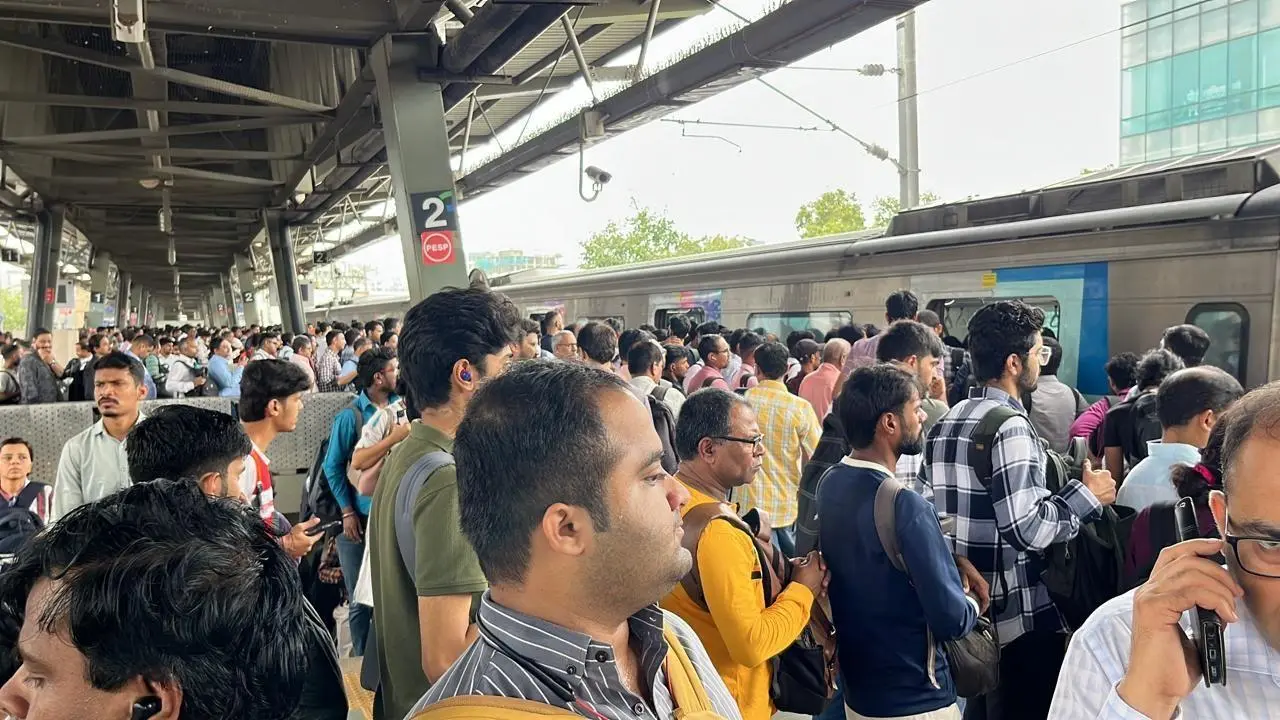
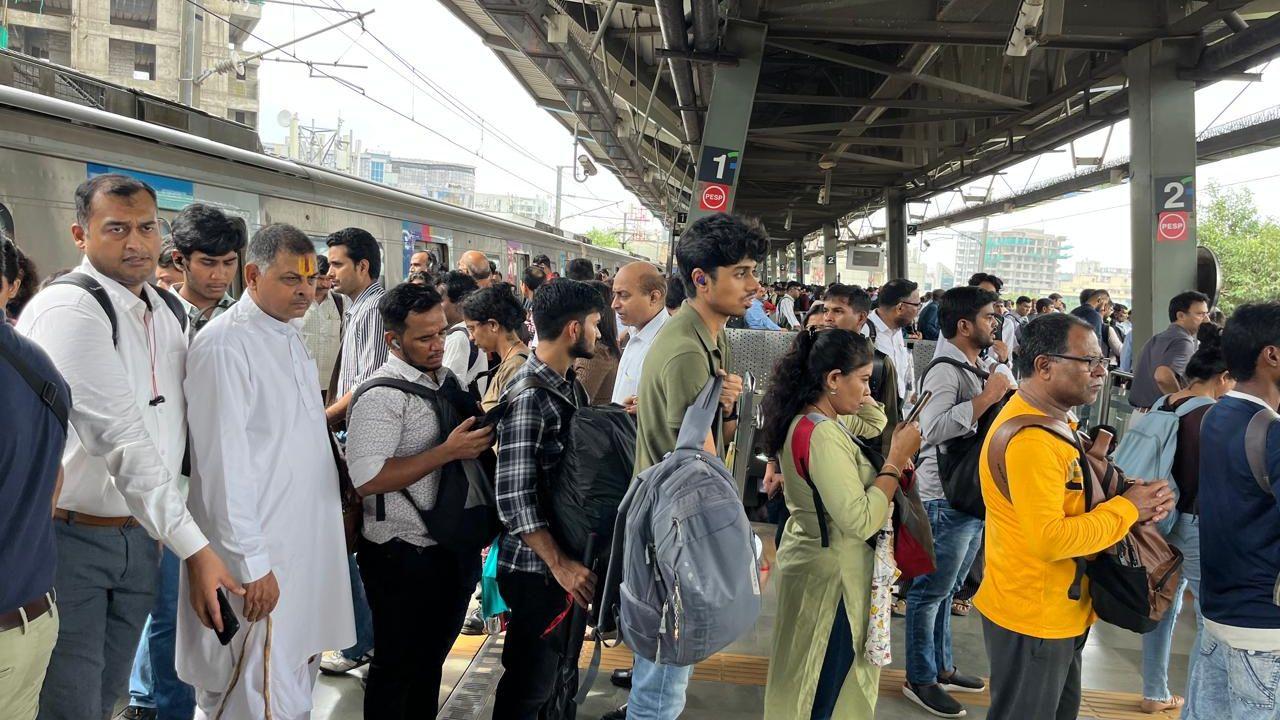
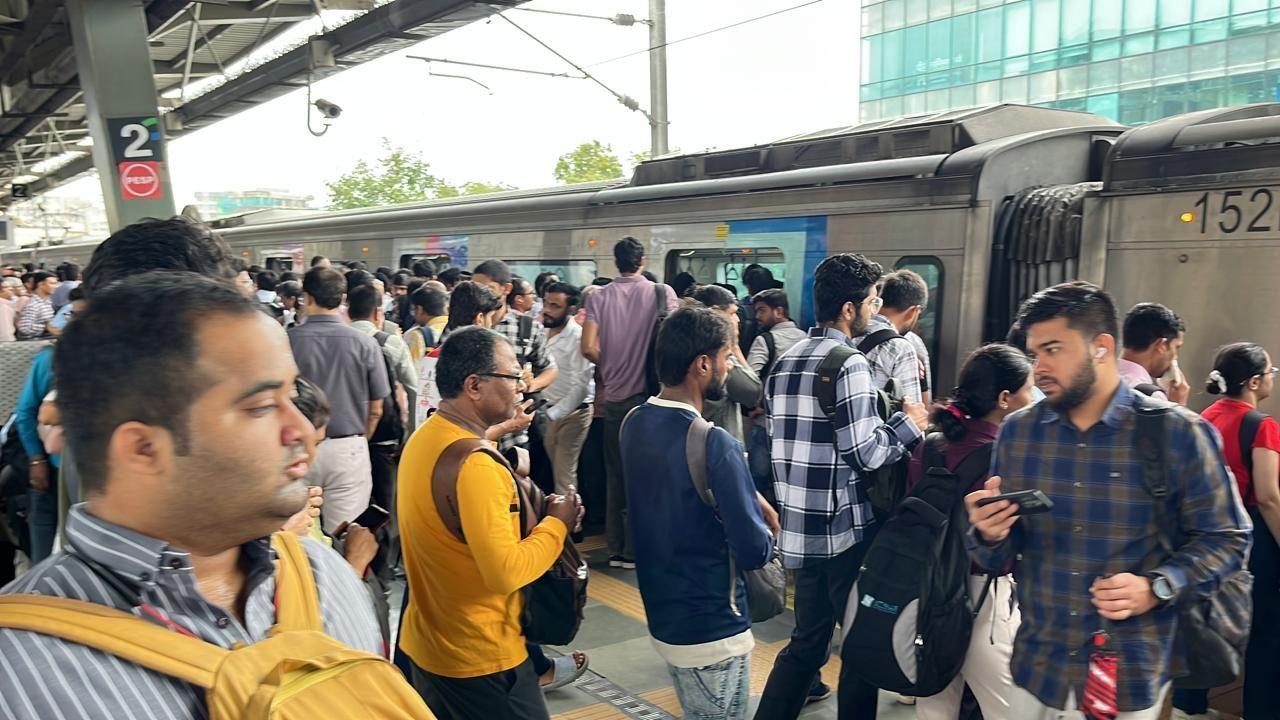
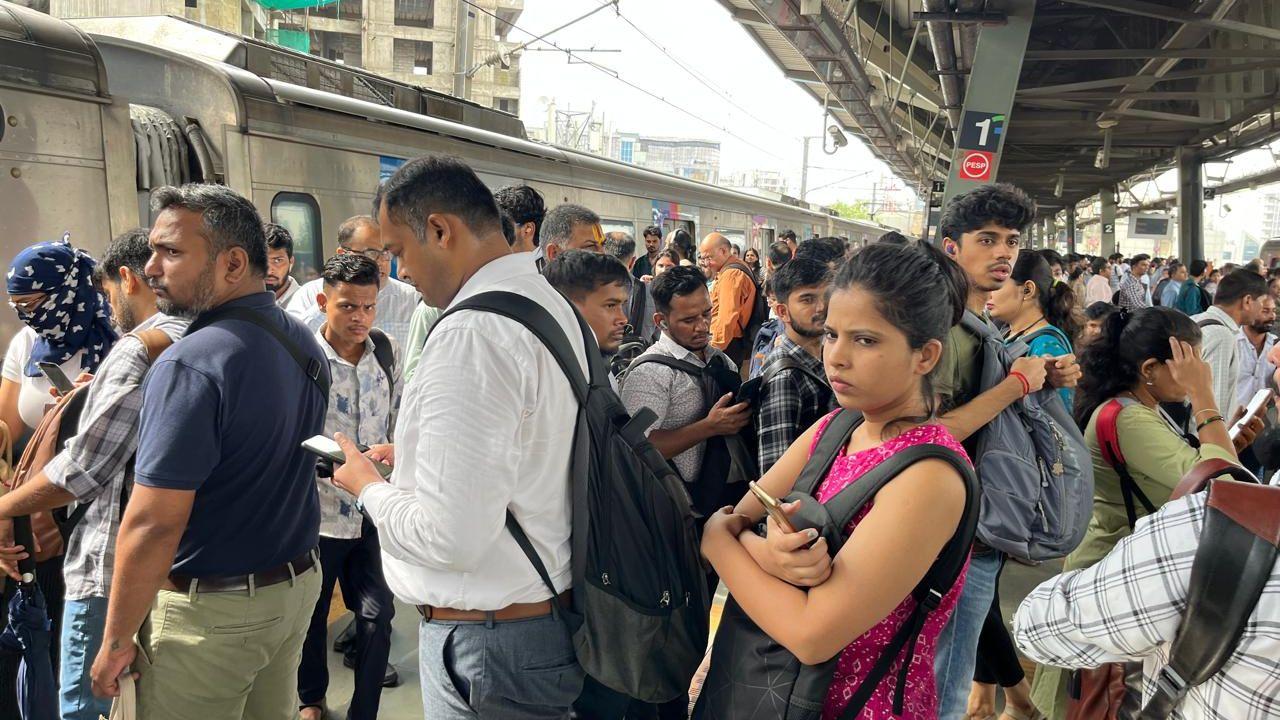
Heavy congestion was observed during peak hours at Mumbai’s Ghatkopar metro station on Wednesday, once again highlighting the urgent need for capacity upgrades and improved commuter management. (PICS/ ATUL KAMBLE)



1/6
2/6
The station, which serves as a key interchange between Metro Line 1 and the Central Railway suburban line, witnessed long queues, jam-packed platforms, and bottlenecks at entry and exit points, leaving thousands of daily commuters frustrated
ADVERTISEMENT
3/6
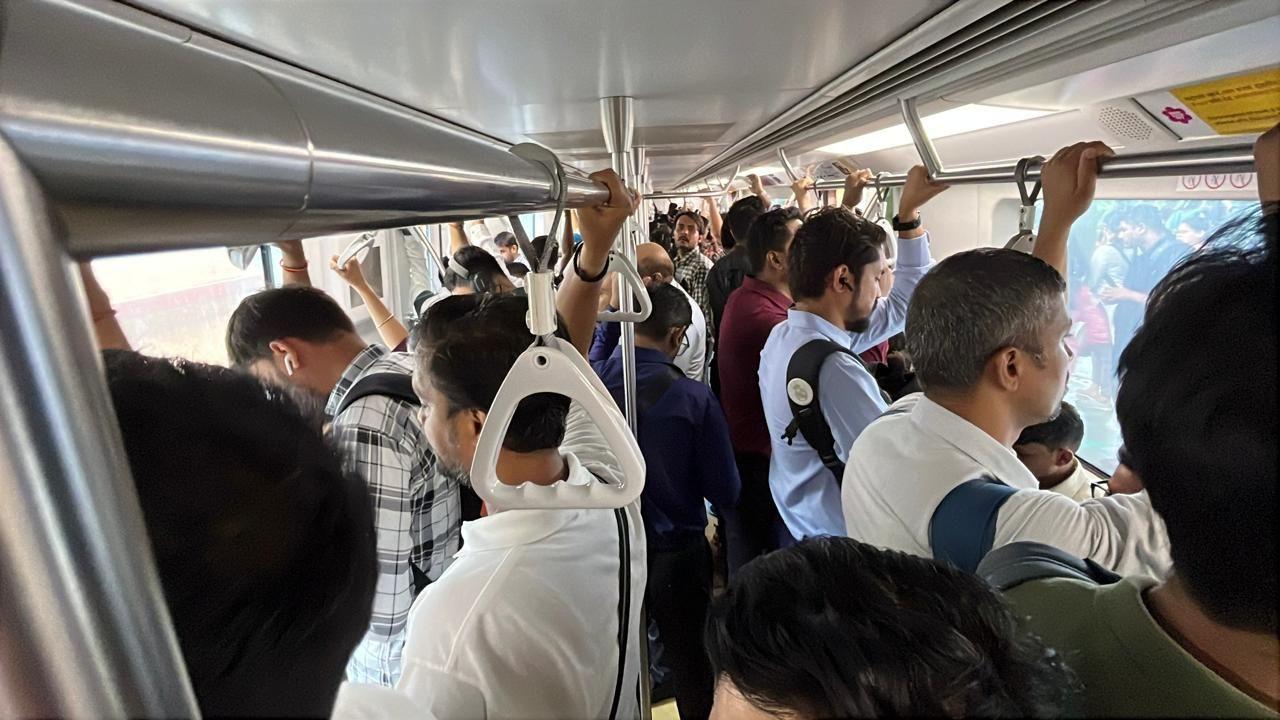
With the city's population growing and dependence on metro services increasing, the current infrastructure at Ghatkopar struggles to keep up with the demand, especially during the morning and evening rush hours
4/6
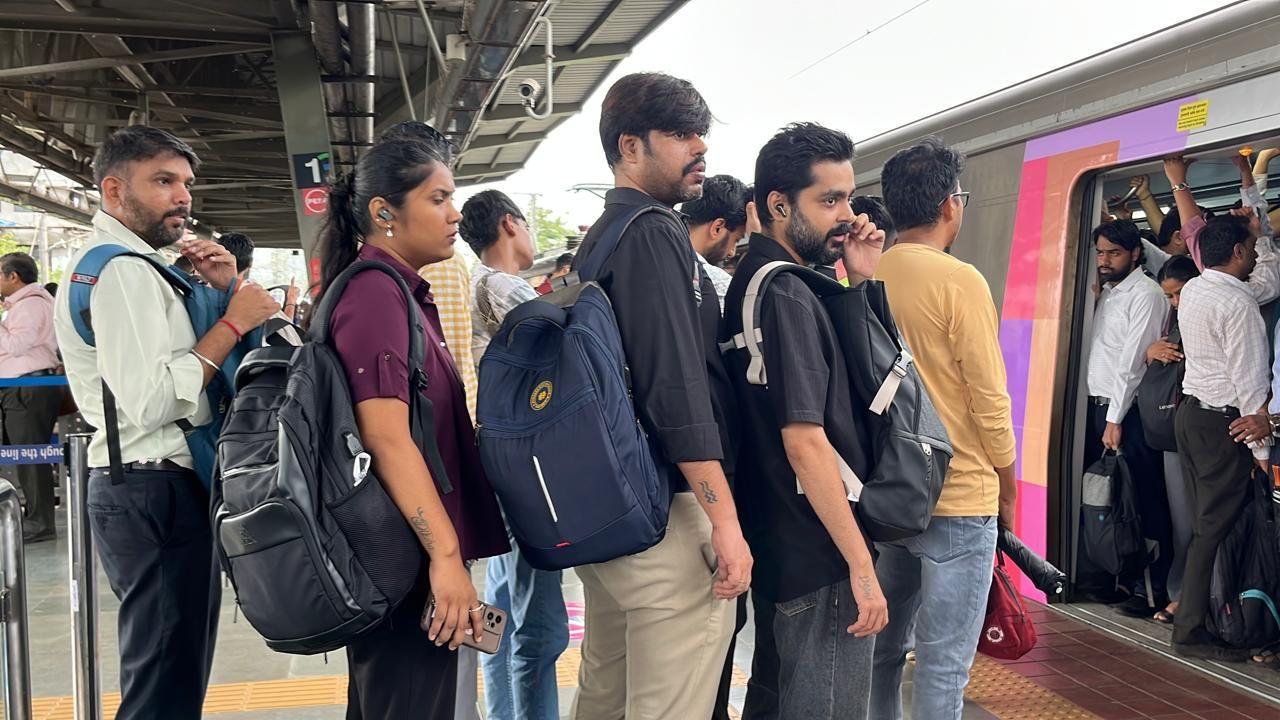
Despite repeated demands for increasing the number of coaches from four to six on Metro Line 1, the proposal has seen little progress
ADVERTISEMENT
5/6
Commuters, many of whom travel long distances to reach their workplaces, face significant delays and overcrowding, raising concerns over safety and convenience
6/6
Additionally, a lack of adequate crowd-control staff, insufficient signage, and poorly planned passenger flow aggravate the situation. The Ghatkopar bottleneck is not a new issue but one that has persisted for years
ADVERTISEMENT
ADVERTISEMENT
Photo of Day

Global AI leaders join PM Modi in a bid to push for a smarter, inclusive future
PM Narendra Modi joins hands with Google CEO Sundar Pichai, OpenAI CEO Sam Altman, and others during the India AI Impact Summit 2026, in New Delhi. PIC/PTI
ADVERTISEMENT
