





Home / Mumbai / Mumbai News / Article /
IIT Bombay scientists solve key challenge in T-cell cancer therapy
Updated On: 06 February, 2026 08:36 AM IST | Mumbai | Agencies
Researchers from IIT Bombay and Monash University have developed a gentler method to recover lab-grown T-cells used in cancer immunotherapy. The breakthrough addresses a major challenge in CAR T-cell therapy by improving cell survival and efficiency

Listen to this article :
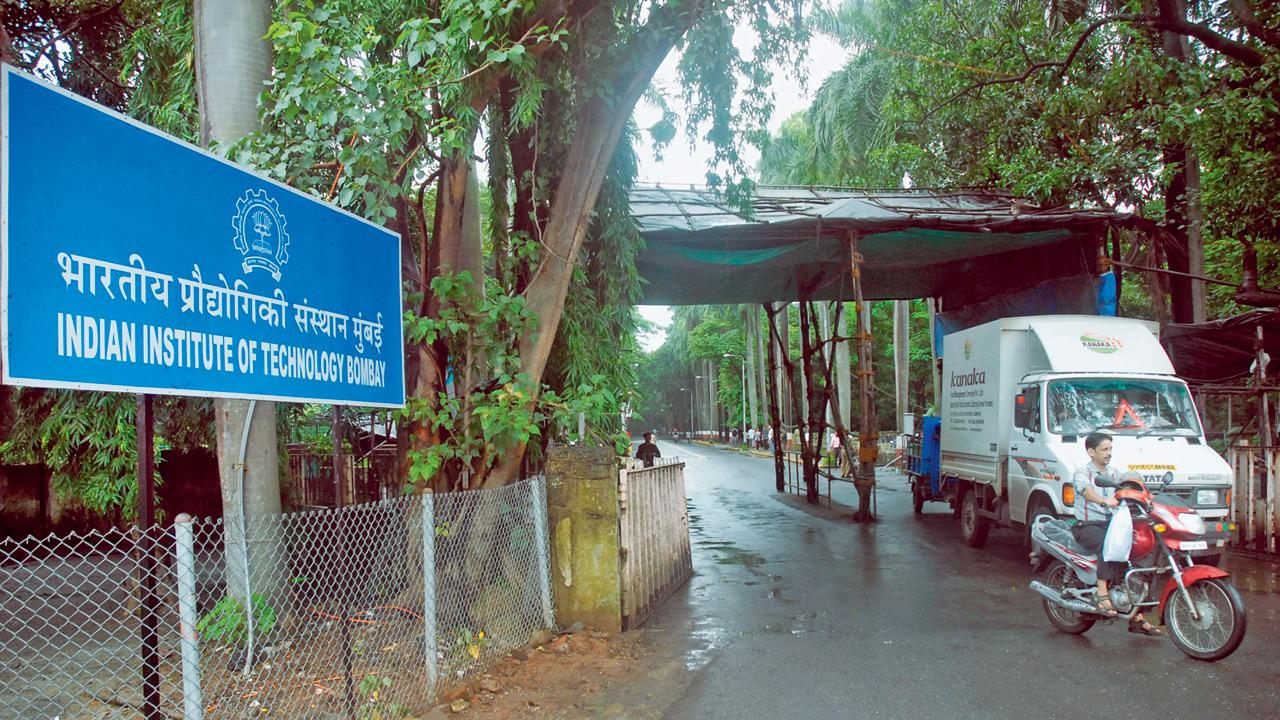
Efficient recovery of T-cells is a key requirement for CAR T-cell-based cancer immunotherapy. Representation pic/iSTOCK
Researchers at the Indian Institute of Technology Bombay (IIT Bombay), in collaboration with Melbourne-based Monash University, have developed a simpler and gentler method to recover lab-grown immune cells used in T-cell-based cancer therapies. A team from the Department of Biosciences and Bioengineering at IIT Bombay, led by Prof Prakriti Tayalia, developed a new method to gently recover T-cells after growing them in the laboratory, the institute said in a release. The study was carried out in collaboration with Prof Neil Cameron of Monash University.
Immunotherapy, which involves boosting the body’s own immune system to recognise and destroy cancer cells, has shown promising results in cancer treatment. In immunotherapies such as CAR T-cell therapy, doctors take T-cells (a type of immune cell) from a patient’s blood and modify them in the laboratory so they can better recognise and attack cancer cells. These modified cells are then grown in large numbers and infused back into the patient’s bloodstream to help fight cancer. A key requirement for T-cell-based immunotherapy is an ample supply of healthy, active T-cells. These cells, grown outside the body, must be collected gently so that they remain alive and functional when returned to the patient. Finding safe and efficient ways to grow T-cells and retrieve them is, therefore, an important part of making these therapies work.
Trending Stories
Latest Photos
Latest Videos
Latest Web Stories
ADVERTISEMENT
Mid-Day Fast
ADVERTISEMENT

ADVERTISEMENT