Home / Lifestyle / Nature & Wildlife / Article /
Low rainfall and high CO2 can affect India's biodiversity hotspots: Study
Updated On: 04 July, 2024 12:17 PM IST | New Delhi | IANS
Even as greenhouse gases are increasing unprecedentedly, it can decrease rainfall in the equatorial region and affect India's biodiversity hotspots, according to a new study





Listen to this article :
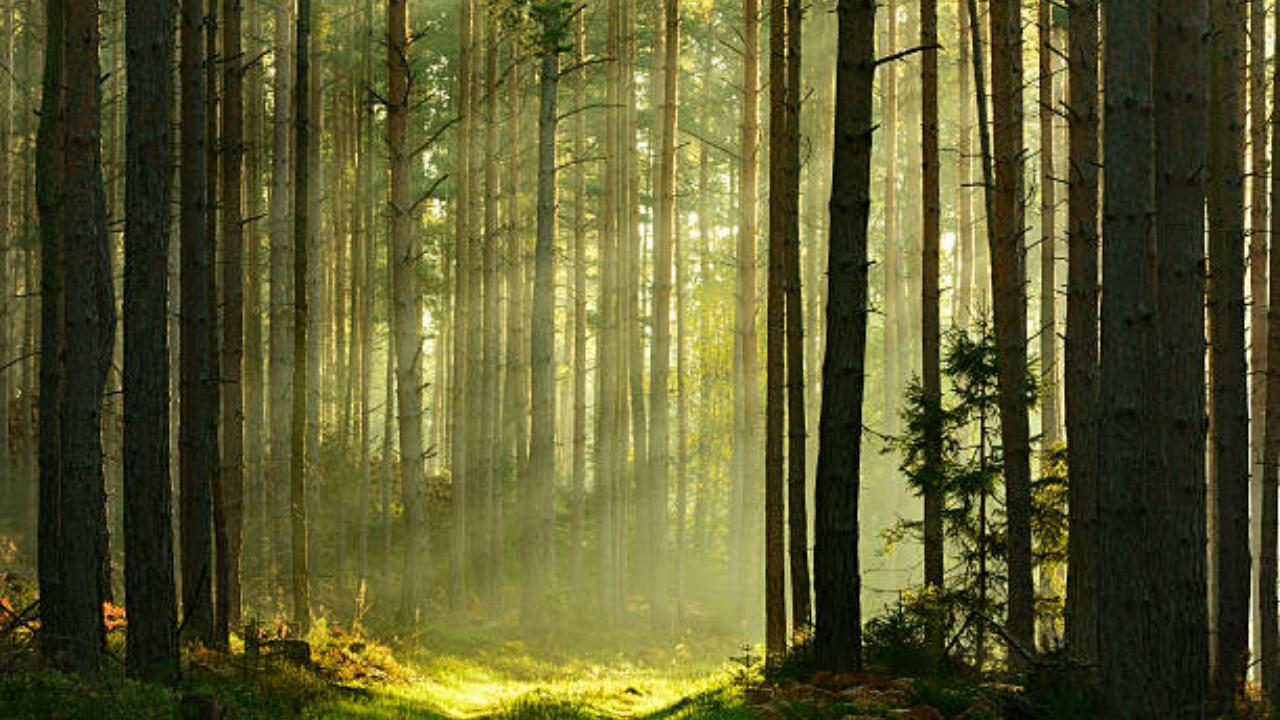
Image for representational purposes only (Photo Courtesy: iStock)
Even as greenhouse gasses are increasing unprecedentedly, it can decrease rainfall in the equatorial region as well as affect India's biodiversity hotspots, according to a new study on Wednesday.
The study showed that it will potentially replace India's biodiversity hotspots consisting of evergreen forests in the Western Ghats, northeast India, and the Andamans with deciduous forests.
Trending Stories
Latest Photos
Latest Videos
Latest Web Stories
ADVERTISEMENT
Mid-Day Fast
ADVERTISEMENT