





Home / Lifestyle / Nature & Wildlife / Article /
Climate change may drive new snakebite hotspots in India: Study
Updated On: 04 September, 2025 12:14 PM IST | Mumbai | PTI
Tropical and subtropical regions of the world experience a disproportionate impact of deaths due to a snakebite -- a neglected tropical disease. Cases in India are among the highest in the world

Listen to this article :
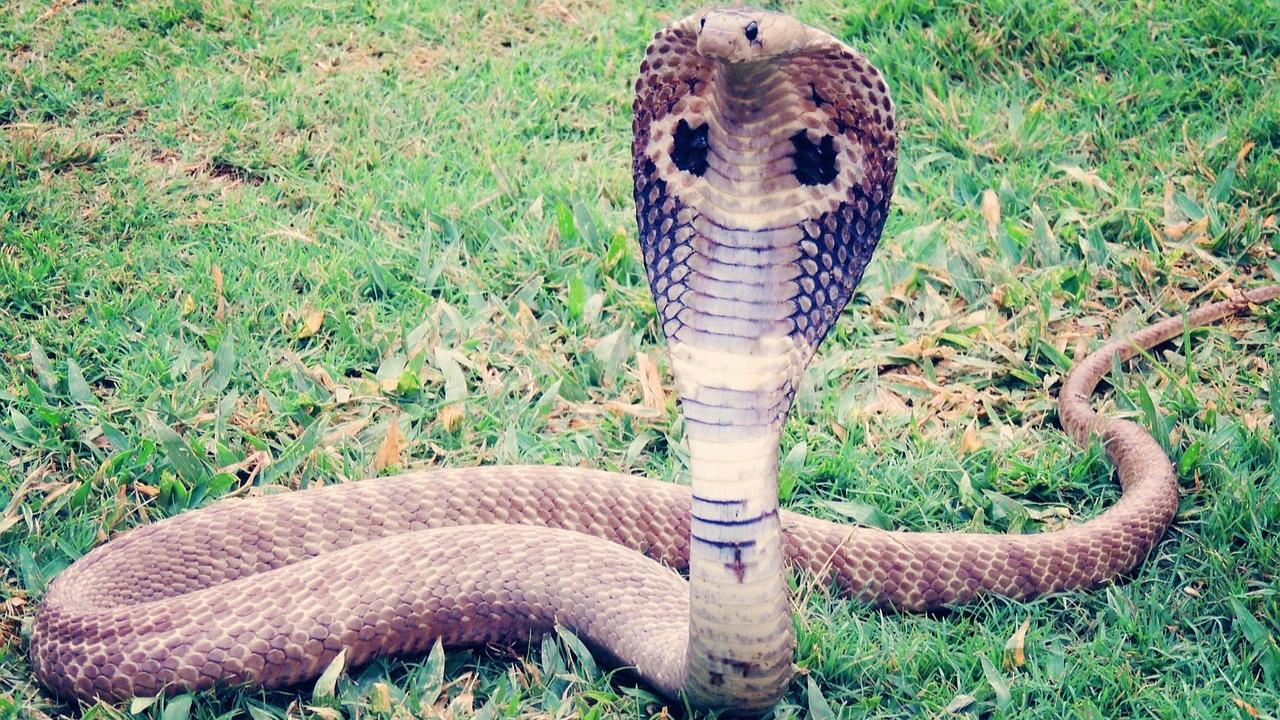
Image for representational purposes only (Photo Courtesy: Pexels)
Climate change could be creating conditions conducive for venomous snakes to shift and spread into India`s north and northeast, potentially increasing risks of snakebites in regions so far considered unsuitable for the species, a study has found.
The `Big Four` refers to the four species of venomous snakes -- common krait, Russell`s viper, echis carinatus and Indian cobra -- that are known to be responsible for the majority of snakebite cases among humans on the Indian subcontinent.
Researchers from Dibru-Saikhowa Conservation Society and Assam Agricultural University, and Pukyong National University in South Korea, projected that Haryana, Rajasthan and Assam might see an expansion in habitat suitable for the Big Four snakes, due to conditions driven by climate change -- rising heat and humidity.
Trending Stories
Latest Photos
Latest Videos
Latest Web Stories
ADVERTISEMENT
Mid-Day Fast
ADVERTISEMENT

ADVERTISEMENT