





Home / Lifestyle / Health & Fitness / Article /
Experts highlight the many health benefits of curd
Updated On: 07 August, 2025 08:11 PM IST | Mumbai | Nascimento Pinto
Many people don’t like curd, but Mumbai's health experts say there is a lot you are missing out on by not eating the dairy product, and including it in your meals

Listen to this article :
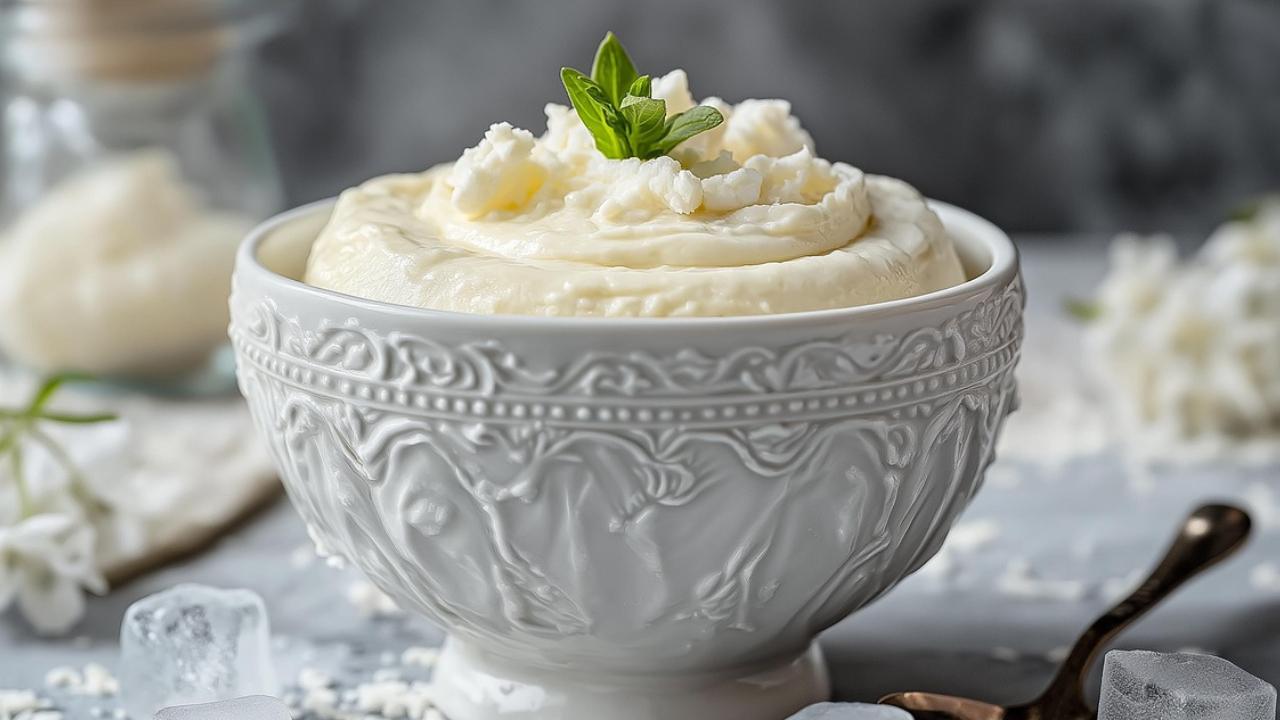
Image for representational purpose only. Photo Courtesy: Pixabay
Curd is delicious but more often than not many of us take its health benefits for granted. Made from milk, the dairy product has been consumed in India since a long time. While it was earlier eaten with traditional meals, its role in our lives has become even more important now, as we consume different kinds of food from outside. The fact that most people eat untimely meals today because of their irregular work timings means that even digestion is often a challenge among adults.
It is not only the larger population that benefits from curd but also others who have health conditions. Sonal Chandalia, consultant nutritionist at Jaslok Hospital and Research Centre, shares, "In our country, a large number of the population is lactose-intolerant. They are unable to digest large amount of milk and milk-based products and develop lot of gastro-intestinal discomfort. In fact, consuming plain, traditional curd and its products is the answer to the problem."
Every year, Janmashtami is observed during this time of the year, followed by Gokulashtami, which is symbolised by dahi handi. An act that highlights the mischievous nature of Lord Krishna, and his love for butter and curd. While people consume many different types of curd and dishes made out of it during the year, it serves as a good time to remind ourselves how we can relish the dairy product in many different ways just like our 'makhan chor'. Even as we enjoy the flavours, the health benefits of curd are plenty, and one that people need to know about today more than ever before.
Ahead of the festival, mid-day spoke to Fauziya Ansari, who is the dietitian at Apollo Spectra Hospital in Mumbai and Chandalia to highlight the health benefits of curd. They not only tell you about why it is important to have the dairy product but also help you with recipes to include it in your daily diet.
What are the health benefits of eating curd?
Ansari: It is a proven fact that curd is loaded with probiotics that help improve digestion and boost gut health. Moreover, it is also a good source of calcium and protein, which supports strong bones and muscles. Regular intake of curd will help boost immunity and reduce inflammation in the body.
Chandalia: The traditional curd offers a health nutritional profile. It comprises of carbohydrate, protein, fat and water and contains various micro-nutrients. The carbohydrate (lactose) in curd is naturally fermented to make it easily digestible. It also contains whey and casein, both good sources of animal protein. The percentage/grams of saturated fat (cholesterol) content in curd is moderate but can vary depending on the milk it is set from. Additionally, curd is a rich source of calcium, phosphorus and vitamin B12. Not only does it offer nutritional benefits by supporting bone health and muscle protein, its role in maintaining gut health is paramount. Curd is a probiotic food containing the vast milieu of bacteria which is responsible for the healthy microbiome in the gut.
|The composition of curd provides the necessary nutrients for the body. A daily serving of curd has health benefits including strong bones and teeth, improved digestion and absorption of nutrients, enhanced immunity, better hydration and skin health, weight management as well as heart health.
What does curd contain that is good for the body?
Ansari: According to various studies, curd contains probiotics, calcium, protein, and vitamins like B12 and riboflavin, which help to enhance well-being. These nutrients are known to ease digestion, strengthen bones, and boost immunity.
Chandalia: The health benefits of consuming traditional plain curd are numerous. The dairy product has a unique chemical composition as it contains all three macronutrients: carbohydrate, protein and fat, and also micronutrients such as calcium, magnesium, vitamin B12, riboflavin and sodium. It is an ancient super-food with the required protein for maintaining body muscle-mass, as most vegetarians need to derive this greater bio-available, animal source of protein from it. Being easily digestible it helps prevent issues of bloating and constipation and maintains good-gut health. This translates into better immunity. It is also a natural source of moderate sodium, which is preferable over other processed salty options. The calcium and phosphorus content of curd helps preserve bone health and teeth and helps prevent osteoporosis.
Trending Stories
Latest Photos
Latest Videos
Latest Web Stories
ADVERTISEMENT
Mid-Day Fast
ADVERTISEMENT

ADVERTISEMENT